Heavy-Duty Towing vs. Standard Towing: What’s the Difference?
October 6, 2026
Not every vehicle can be towed the same way.
A passenger car, delivery van, box truck, tractor, loaded trailer, and construction vehicle can differ significantly in size, weight, configuration, and recovery requirements.
That is why commercial vehicles often require heavy-duty towing equipment and operators experienced with larger vehicles and more complex recovery situations.
Understanding the difference can help drivers, fleet managers, and business owners know what type of assistance to request when a vehicle goes down.
What Is Standard Towing?
Standard or light-duty towing is generally used for smaller vehicles such as passenger cars, SUVs, pickup trucks, and similar vehicles.
These jobs may involve:
- Disabled passenger vehicles
- Local vehicle transport
- Minor breakdowns
- Standard roadside towing
- Smaller accident recoveries
For these vehicles, conventional tow trucks and light-duty equipment are often sufficient.
What Is Heavy-Duty Towing?
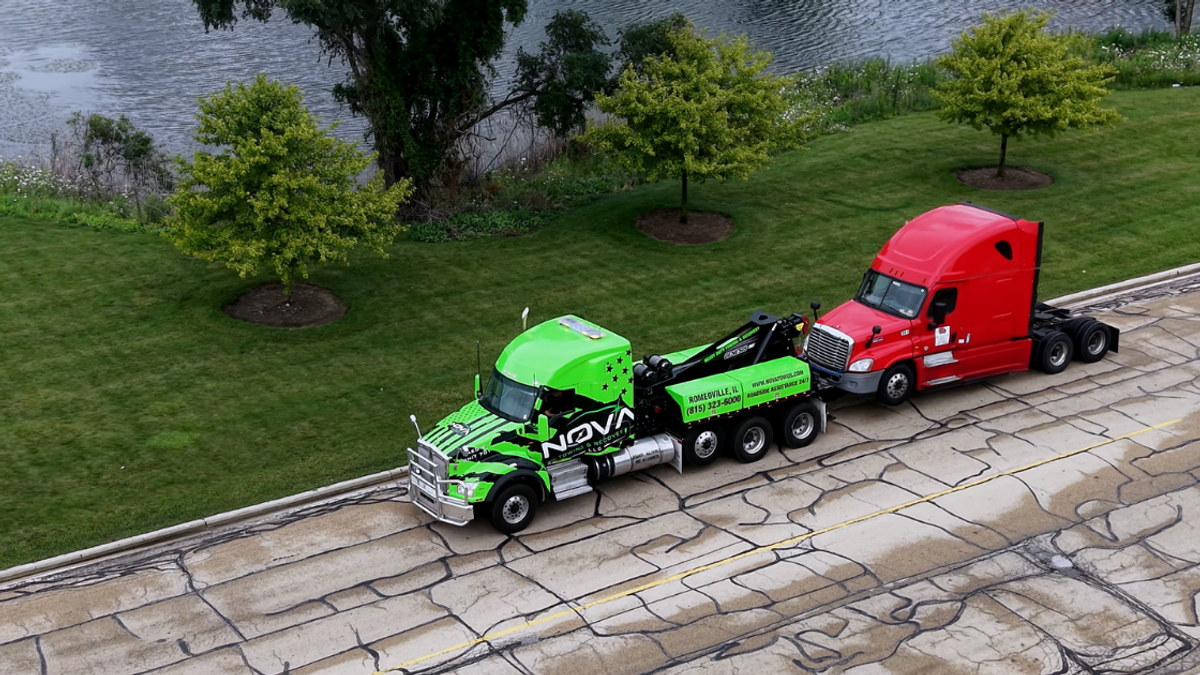
Heavy-duty towing is designed for larger commercial vehicles and equipment that require greater towing capacity, specialized equipment, and additional planning.
Examples may include:
- Semi trucks
- Tractor-trailers
- Commercial trailers
- Box trucks
- Large delivery vehicles
- Construction equipment
- Other heavy commercial vehicles
The towing approach depends on the vehicle, its condition, location, weight, load, and destination.
Why Commercial Vehicles Require Different Equipment
A loaded tractor-trailer presents very different challenges from a passenger car.
Commercial vehicles may have:
- Greater overall weight
- Longer wheelbases
- Multiple axles
- Air-brake systems
- Commercial trailers
- Cargo or shifted loads
- Specialized suspension or drivetrain components
These differences affect how the vehicle must be connected, lifted, recovered, and transported.
Using equipment appropriate for the vehicle is an important part of a controlled towing operation.
Heavy-Duty Towing Is More Than Moving a Truck
Some commercial incidents involve much more than attaching a tow truck and transporting the vehicle.
Heavy-duty recovery can include:
- Accident recovery
- Winch-outs
- Load shift recovery
- Disabled tractor-trailer recovery
- Vehicles stuck off the roadway
- Trailer recovery
- Long-distance transport
Each situation must be evaluated individually before the appropriate equipment and recovery approach can be determined.
When Is a Winch-Out Needed?
A winch-out may be required when a truck or trailer cannot safely return to the roadway under its own power.
Examples can include:
- A vehicle stuck in mud
- A truck that has entered a ditch
- A trailer positioned on a soft shoulder
- A commercial vehicle stuck on uneven terrain
- Certain accident or recovery situations
The vehicle position, weight, surface conditions, and surrounding environment all affect how the recovery should be handled.
What About Box Trucks and Delivery Vans?
Not every commercial vehicle automatically requires the largest heavy-duty towing equipment.
Box trucks and delivery vans vary widely in size and weight.
Dispatch should know the vehicle type and situation before sending equipment so the appropriate towing or roadside unit can be selected.
This is one reason accurate information during the initial call is so important.
Information to Give Dispatch
When calling for commercial towing, be prepared to provide:
- Exact location
- Vehicle type
- Truck make and model if known
- Trailer type
- Loaded or empty status
- Approximate weight when relevant
- Nature of the breakdown or accident
- Whether the vehicle is on or off the roadway
- Preferred towing destination
Photos of the vehicle and scene may also help the towing company better understand the situation when requested.
Roadside Assistance May Be Enough
A disabled commercial vehicle does not always need to be towed.
Depending on the problem, roadside assistance may resolve issues such as:
- Dead batteries
- Fuel shortages
- Lockouts
- Certain tire problems
If the vehicle cannot safely return to service, towing or recovery may then be required.
Choosing the Right Towing Company
When a semi truck, trailer, or commercial vehicle needs assistance, look for a towing provider that works with commercial vehicles and has equipment appropriate for heavy-duty situations.
A clear dispatch process is also important.
The towing provider should understand what type of vehicle is involved, what happened, where it is located, and what equipment may be required before coordinating the response.
Nova Towing & Recovery
Nova Towing & Recovery provides 24/7 towing, recovery, and roadside assistance for commercial vehicles and equipment.
We assist with:
- Semi trucks and trailers
- Box trucks
- Delivery vans
- Commercial vehicles
- Construction equipment
- Accident recovery
- Winch-outs
- Load shift recovery
- Long-distance towing
- Jump starts
- Fuel delivery
- Lockout service
- Tire changes
Need Heavy-Duty Towing or Recovery?
If you need commercial towing, recovery, or roadside assistance, contact Nova Towing & Recovery.
Call (815) 323-6000
Available 24/7